
Why You Should Incorporate This Mineral into Your Skincare Routine
Zinc is an essential mineral involved in immune function, protein synthesis, cell growth, and tissue repair. These biological roles also make it important for maintaining healthy skin.
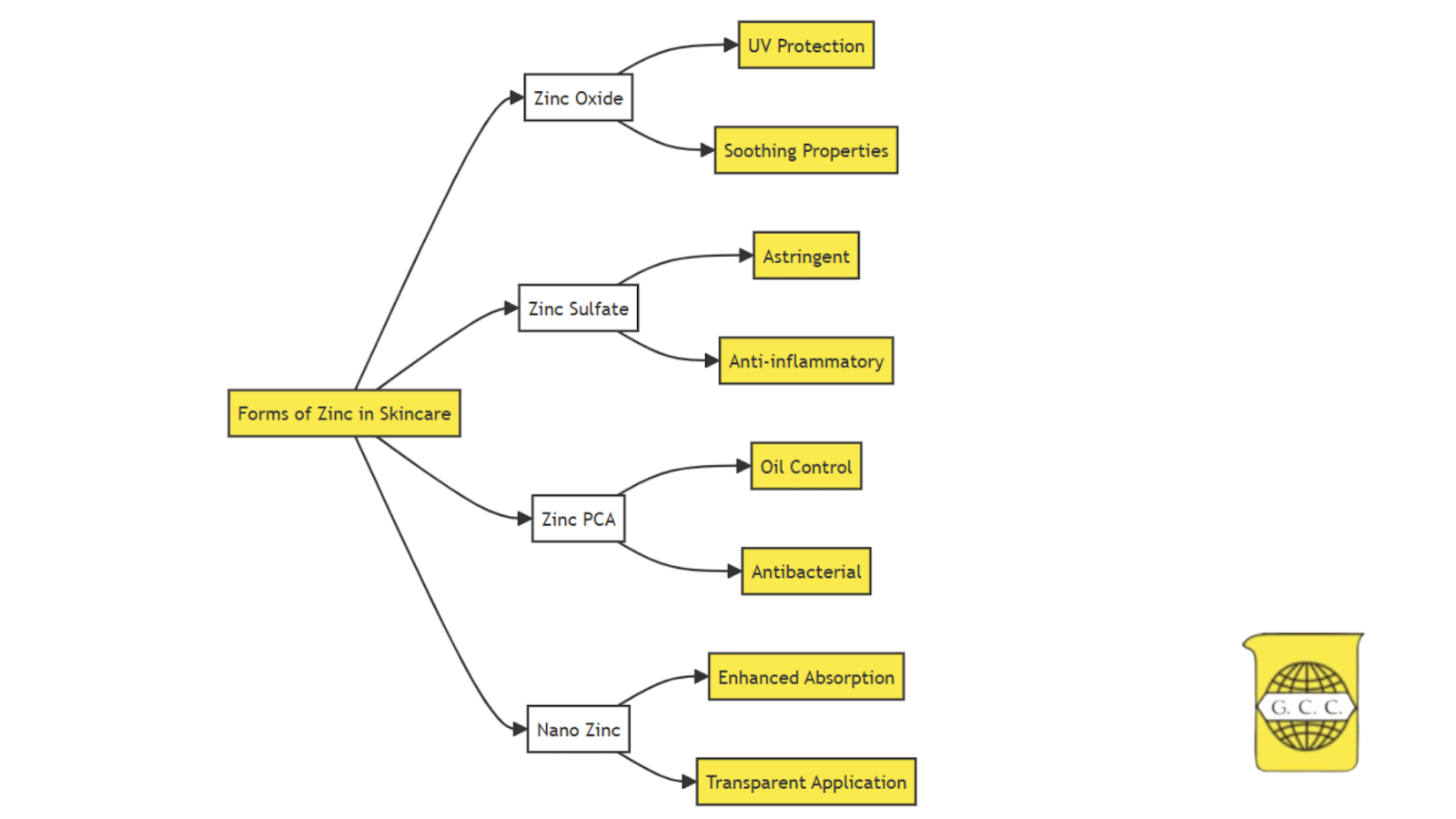
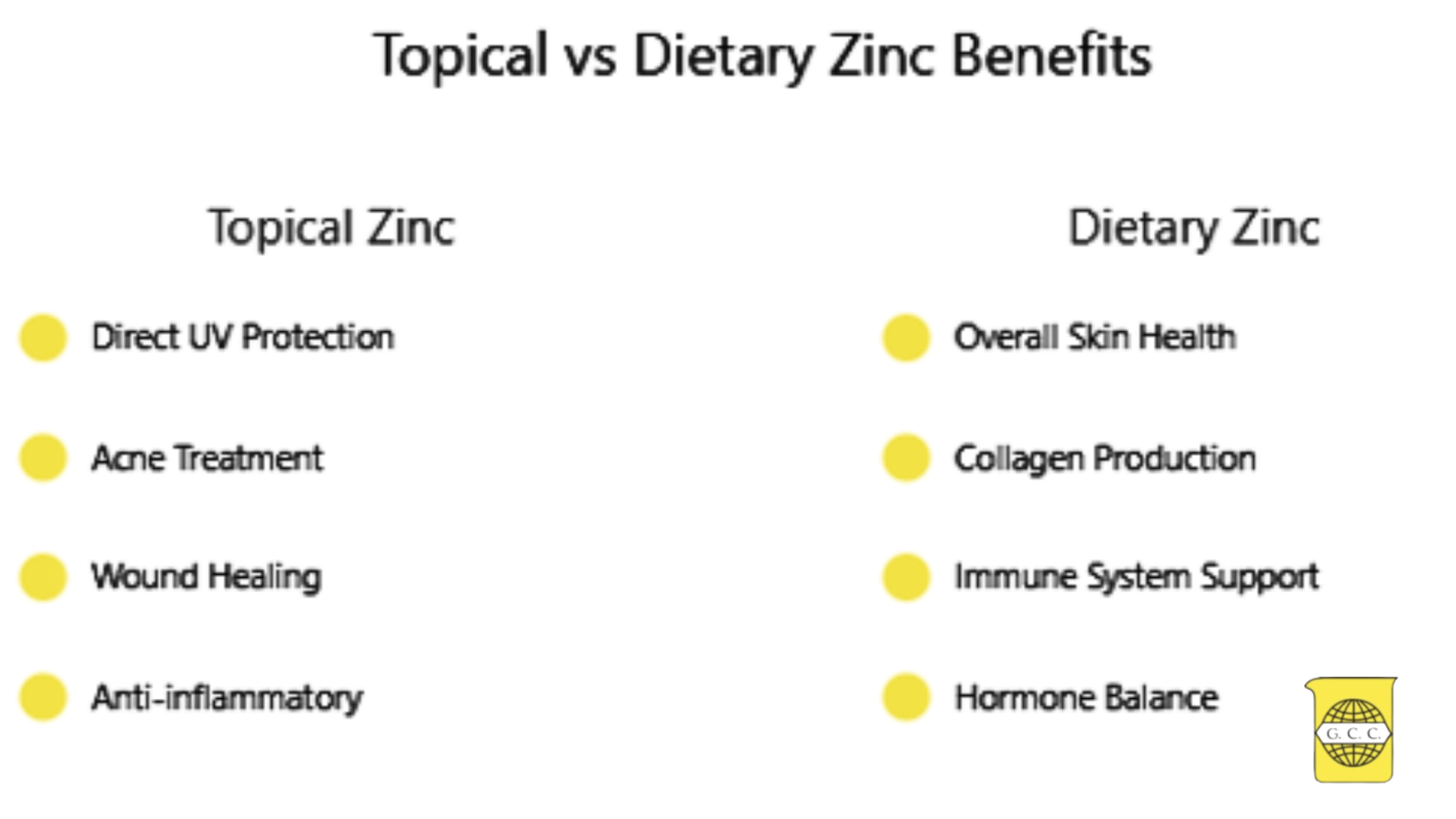
However, “zinc” does not refer to a single interchangeable skincare ingredient. Zinc oxide is commonly used in mineral sunscreen and skin-protectant products, while compounds such as zinc PCA and zinc sulfate serve different purposes. Dietary zinc also functions differently from zinc applied topically.
Understanding these distinctions can help you choose products that suit your skin rather than expecting every form of zinc to deliver the same result.
What Is Zinc and Why Is It Essential for Skin Health?
Zinc is an essential trace mineral, meaning the body requires it in relatively small amounts but cannot produce it independently. It contributes to DNA and protein synthesis, immune responses, cell division, and wound healing.
A zinc deficiency may cause skin changes and delay wound healing. However, taking more zinc than the body requires does not necessarily improve healthy skin and may cause adverse effects. The benefits depend on the form of zinc, how it is used, and whether an individual has a deficiency or specific skin concern.
What Are the Main Benefits of Zinc for the Skin?
Different zinc compounds have been studied for acne, wound care, sun protection, and inflammatory skin conditions. The evidence is stronger for some applications than others, so zinc should generally be viewed as a supportive ingredient rather than a universal treatment.
1. Supporting Acne Management
Research suggests that topical or oral zinc may help reduce inflammatory acne in some people. Its potential benefits are associated with anti-inflammatory activity, immune regulation, and effects on Cutibacterium acnes, the bacterium formerly known as Propionibacterium acnes.
However, zinc does not simply prevent acne by stopping sebum production, and evidence varies between different zinc compounds and formulations. It is generally less established than standard acne treatments such as benzoyl peroxide, topical retinoids, or prescription medication.
Products containing zinc PCA may be formulated for oily or acne-prone skin, while zinc oxide is more commonly used for sun protection and skin-protectant applications. Persistent, painful, or scarring acne should be assessed by a dermatologist rather than treated with zinc alone.
2. Supporting Wound Healing and Skin Repair
Zinc contributes to several stages of wound healing, including inflammation control, tissue formation, cell proliferation, and remodelling. Zinc deficiency is associated with impaired healing, which makes adequate dietary intake particularly important.
Topical zinc compounds are also used in certain wound dressings and skin-protectant products. However, this does not mean that applying an ordinary zinc cosmetic will accelerate the healing of surgical wounds, deep cuts, or acne scars.
Open, infected, or slow-healing wounds require appropriate medical care. Zinc may support the healing process, but it should not replace cleaning, wound management, or treatment recommended by a healthcare professional.
3. Providing Broad-Spectrum UV Protection
Zinc oxide is an established mineral UV filter used in sunscreen. It provides protection across UVA and UVB wavelengths by absorbing most ultraviolet radiation while also reflecting and scattering some light.
The performance of a sunscreen cannot be determined from the presence or percentage of zinc oxide alone. Particle characteristics, dispersion, film formation, the product base, and application all influence protection. Consumers should therefore choose a finished sunscreen labelled broad-spectrum SPF 30 or higher and apply it according to the instructions.
The European Commission’s Scientific Committee on Consumer Safety concluded that specified forms of zinc oxide, including certain nano forms, can be used safely as UV filters in dermally applied sunscreen at concentrations of up to 25%. This conclusion does not apply to products that could expose the lungs through inhalation.
4. Helping Protect Irritated Skin
Zinc oxide is used in skin-protectant products because it can form a surface layer that limits contact with moisture and external irritants. This is one reason it appears in products such as barrier creams and diaper-rash preparations.
Zinc compounds have also been studied for anti-inflammatory effects. Nevertheless, a zinc-containing cosmetic should not automatically be described as a treatment for rosacea, eczema, or another inflammatory condition. Benefits depend on the particular compound and complete formulation.
People with sensitive or reactive skin should consider fragrance-free products and patch-test new formulas. If redness, burning, swelling, or itching persists, discontinue use and seek professional advice.
5. Helping Prevent Hyperpigmentation From Worsening
Evidence does not clearly establish zinc as a direct treatment that controls melanocytes or fades existing dark spots. Its more reliable role in hyperpigmentation care comes through sun protection.
UV radiation can darken existing pigmentation and contribute to the development of uneven skin tone. Regular use of broad-spectrum sunscreen containing zinc oxide may therefore help prevent areas of hyperpigmentation from becoming more pronounced.
Tinted mineral sunscreen may offer additional visible-light protection when formulated with iron oxides, which can be useful for people managing melasma or post-inflammatory hyperpigmentation. Existing pigmentation may still require targeted treatment from a dermatologist.
What Role Does Nano Zinc Oxide Play in Skincare?
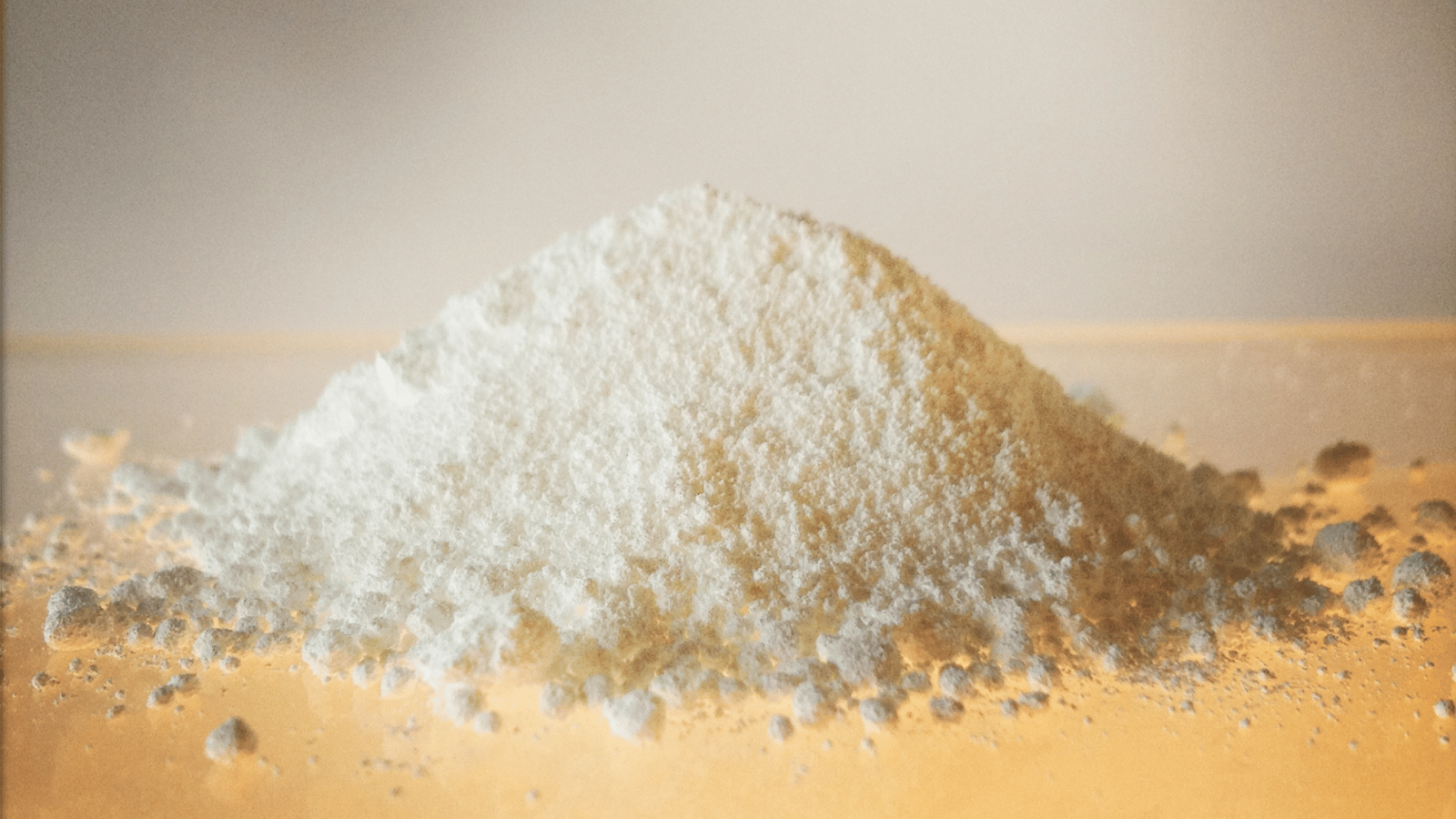
Nano zinc oxide consists of very small zinc oxide particles used primarily to improve sunscreen transparency and reduce the visible white cast associated with larger mineral particles. This can produce a smoother, more cosmetically acceptable finish, particularly on medium and deep skin tones.
Its benefit does not come from penetrating deeper into the skin. Current safety assessments indicate that zinc oxide nanoparticles used in sunscreen remain mainly on the skin’s surface and in the outermost layer rather than penetrating viable skin in significant amounts.
Particle specifications and product format still matter. Nano zinc oxide intended for topical sunscreen should not be assumed safe for inhalation in loose powders or sprayable products. Manufacturers must select a suitable material, control particle dispersion, and comply with the regulations of each target market.
For more information on smaller particle grades, check out our blog explaining how nano zinc oxide is used.
How to Incorporate Zinc Into Your Skincare Routine
The right method depends on whether the goal is sun protection, barrier support, acne management, or adequate dietary intake.
For daily sun protection, choose a tested broad-spectrum sunscreen containing zinc oxide and apply it to exposed skin. People concerned about white residue can consider tinted or micronised formulas. If the goal is barrier protection, use a product specifically formulated for that purpose rather than relying on sunscreen as a treatment cream.
People with oily or acne-prone skin can consider products containing an appropriate zinc compound, but should introduce them gradually and avoid combining several potentially irritating active ingredients at once. Check out our blog about zinc oxide for sensitive skin for further guidance on choosing gentle formulations.
Dietary sources of zinc include meat, shellfish, dairy products, legumes, nuts, seeds, and whole grains. Oral supplements should not be treated as routine skincare. Excessive zinc intake can cause nausea, interfere with copper absorption, and interact with certain medications. A healthcare professional should assess whether supplementation is appropriate.
How Should Manufacturers Choose Zinc Ingredients for Skincare?
Manufacturers should select the zinc compound according to the intended function of the product. Zinc oxide for sunscreen requires suitable particle characteristics and effective dispersion, while products designed for oil control or other cosmetic purposes may use a different zinc derivative.
Purity, particle-size distribution, surface treatment, regulatory documentation, and batch consistency are important when sourcing zinc oxide cosmetics grade. The material must also be compatible with the product base and intended manufacturing process.
To learn more about ingredient selection, check out our blog on the role of zinc oxide suppliers in cosmetics. You can also explore our cosmetic and pharmaceutical-grade zinc oxide and nano zinc oxide specifications for formulation-related information.
Conclusion
Zinc supports essential biological processes related to skin health, while specific zinc compounds can contribute to sun protection, barrier products, and certain targeted formulations. The most appropriate option depends on the intended use, and zinc should not be presented as a cure for every skin concern. At Glochem, we provide technical information and consistent materials for formulators seeking experienced zinc oxide manufacturers while recognising that product performance depends on the complete formulation and appropriate testing.
FAQ
Is zinc good for every skin type?
Zinc-containing products can be suitable for many skin types, but tolerance depends on the compound and complete formulation. Patch-test new products if your skin is sensitive or reactive.
Can zinc cure acne?
No. Some zinc compounds may support the management of inflammatory acne, but zinc is not a universal cure or a replacement for established acne treatments.
Does zinc oxide fade dark spots?
Zinc oxide does not directly remove existing dark spots. Its role is to provide UV protection, which can help prevent hyperpigmentation from becoming darker.
Is nano zinc oxide absorbed into the skin?
Current evidence indicates that sunscreen-grade nano zinc oxide does not penetrate viable skin in significant amounts. Its smaller particle size is primarily used to improve transparency and application.
Can zinc supplements improve the skin?
Supplements may help when a person has a confirmed or suspected deficiency, but additional zinc does not necessarily improve skin in someone who already receives enough. Consult a healthcare professional before taking a supplement.
What is the difference between zinc and zinc oxide?
Zinc is an essential mineral. Zinc oxide is a specific compound widely used as a mineral UV filter and skin protectant. Other zinc compounds have different properties and applications.
